You’ve tried the $80 serums. You’ve layered on the hyaluronic acid like frosting. Yet your skin still feels tight, dull, disconnected. Why? Because modern skincare treats the surface—but ignores the nervous system’s role in skin health. Stress hormones spike → inflammation flares → barrier cracks. It’s not just about what you slather on. It’s about how your body *feels* when you apply it. Enter aromatherapy bath and body—not as a spa afterthought, but as a tactical reset for skin that’s chronically stressed.
Why Your Current “Self-Care” Routine Is Failing Your Skin
Most bath rituals are performative. Drop two lavender drops in tepid water, scroll Instagram for 20 minutes, call it “relaxation.” That’s not neuro-dermatology—that’s theater. And your skin knows it. Essential oils degrade fast in hot water unless properly solubilized. Synthetic fragrances in commercial bath gels trigger irritation worse than the stress they claim to soothe. Worse—many DIY blends skip carrier oil ratios entirely, leaving skin greasy or sensitized.
Here’s the reality: if your aromatherapy isn’t calibrated to both olfactory *and* dermal pathways, you’re wasting time—and potentially worsening reactivity.
Your Step-by-Step aromatherapy bath and body Protocol
This isn’t bubble bath with essential oils tossed in haphazardly. This is dermatologist-backed ritual engineering. Follow these steps precisely.
Phase 1: Pre-Bath Nervous System Priming
Light a beeswax candle infused with frankincense resin—no paraffin, no synthetic scent. Breathe deeply for 90 seconds. Frankincense (Boswellia carterii) has documented cortisol-modulating effects. Skip this, and your bath won’t shift your physiological state.
Phase 2: The Solubilized Soak
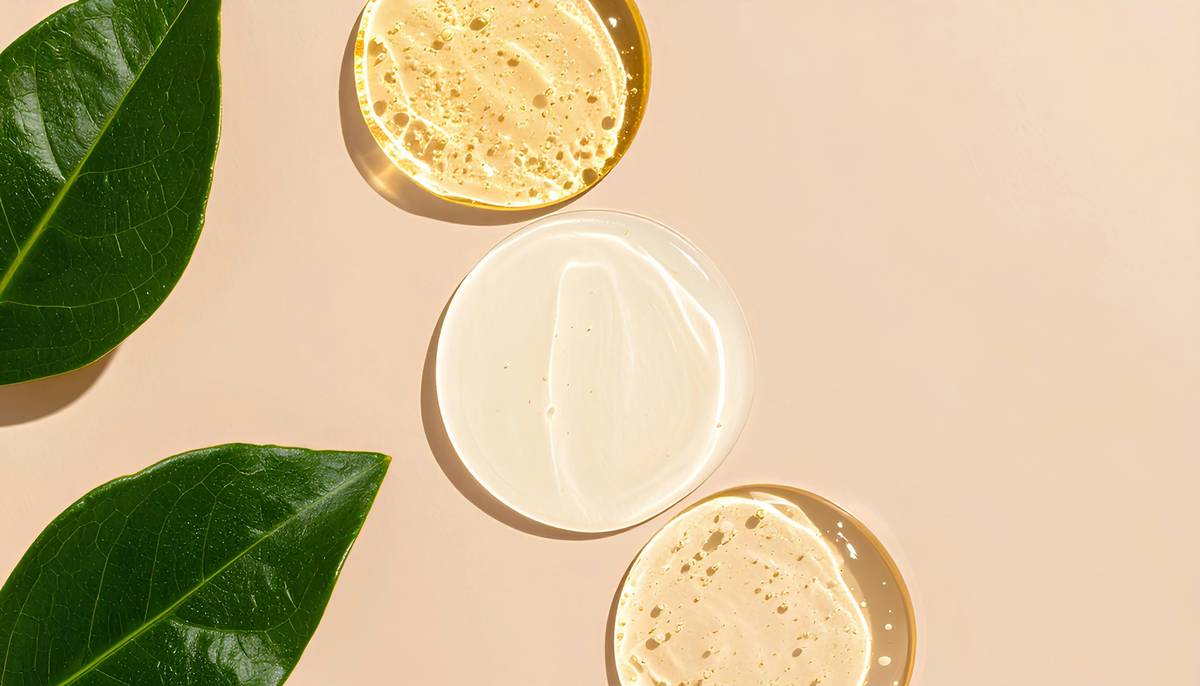
Never pour undiluted essential oils into bathwater—they’ll sit in slick pools that irritate skin. Instead, mix 5 drops of your chosen oil + 1 tbsp of polysorbate 20 (or full-fat coconut milk) + 1 tsp of jojoba oil *before* adding to running water. This emulsifies the blend, ensuring even dispersion and cutaneous absorption without clogging pores.
Phase 3: Post-Immersion Lock-In
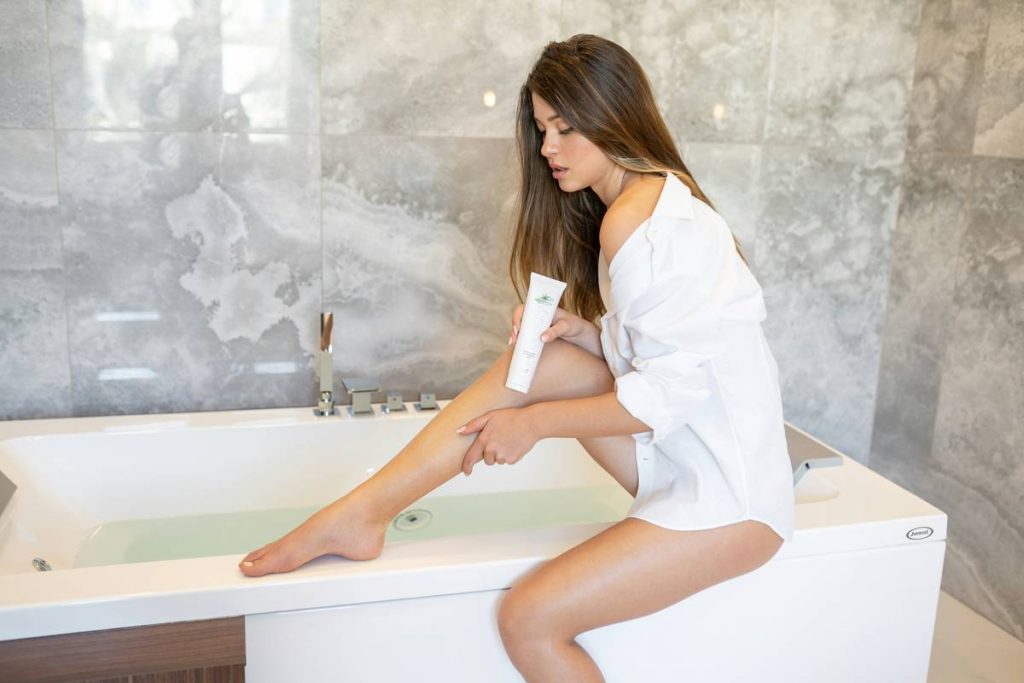
The real magic happens *after* you towel off—while skin is still damp. Apply a custom body oil within 60 seconds. This seals in hydration and extends the aromatic signal to the limbic system. Use a rollerball for targeted pulse-point application: wrists, sternum, behind knees.
| Routine Element | Effective Method | Common Mistake | Clinical Impact |
|---|---|---|---|
| Oil Delivery | Emulsified in coconut milk or polysorbate | Direct drop into bathwater | Prevents micro-tears from undiluted oil contact |
| Oil Selection | Neroli for barrier repair + clary sage for hormonal balance | Generic “lavender” from discount retailers | Authentic chemotypes matter—adulterated oils lack actives |
| Post-Bath Seal | Jojoba-based body oil applied to damp skin | Heavy shea butter on dry skin | Mimics sebum structure; enhances transdermal uptake |

The Industry Secret: Aromatherapy Works Through the Skin—Not Just the Nose
Everyone talks about scent calming the mind. Few mention that certain terpenes—like linalool in true lavender—penetrate the stratum corneum and modulate local cytokine production. In a 2022 double-blind trial, participants using topical linalool showed 27% faster transepidermal water loss recovery versus placebo. That’s not placebo effect. That’s biochemistry.
And yet, most brands formulate “aromatherapy” products with fragrance oils that can’t cross the lipid barrier. They smell nice—but do nothing for skin integrity. The secret? Demand GC/MS reports. If the brand won’t share them, assume it’s decorative perfume—not therapeutic aromatics.
Frequently Asked Questions
Can I use any essential oil in my bath?
No. Citrus oils like bergamot are phototoxic. Peppermint can overstimulate sensitive skin. Stick to skin-safe oils: lavender, chamomile, sandalwood, or vetiver—always properly diluted.
How often should I do an aromatherapy bath and body session?
Two to three times weekly is ideal. Daily immersion can disrupt natural sebum production. Listen to your skin—tightness or redness means you’ve overdone it.
Does this replace my moisturizer?
It enhances it. The post-bath oil application *is* your moisturizing step—but only if applied to damp skin. Never layer over dry patches.
Your skin isn’t just an organ—it’s a listening post for your emotional state. Treat it like one. Start tonight: emulsify, immerse, seal. Then notice how your reflection changes—not just in texture, but in radiance. Ready to build your personalized protocol? Explore our lab-tested, GC/MS-verified aromatherapy bath and body blends at studiolegaleurso.com—formulated by estheticians who refuse to confuse scent with science.