Ever slathered on a $60 “luxury” face oil only to find it smells like stale almonds and does… absolutely nothing? Yeah. Been there, tossed that bottle, and cried into my DIY lavender-infused carrier blend. If you’re tired of paying premium prices for underwhelming aromatherapy skincare products—or worse, risking skin irritation from synthetic fragrances—you’re not alone.
In this guide, we’ll walk you through how to make aromatherapy oils that are actually effective, skin-safe, and tailored to your unique needs—whether you’re chasing dewy radiance, soothing eczema flare-ups, or winding down after a 3 a.m. toddler meltdown. You’ll learn:
- Why dilution ratios aren’t optional (they’re non-negotiable)
- Which essential oils pair brilliantly with which carrier oils for specific skin goals
- Step-by-step methods validated by IFRA (International Fragrance Association) standards
- Real mistakes I made (like using undiluted cinnamon oil—yikes—and how to avoid them)
Table of Contents
- Why Bother Making Your Own Aromatherapy Oils?
- Step-by-Step Guide: How to Make Aromatherapy Oils Safely
- Pro Tips for Long-Lasting, Skin-Safe Blends
- Real Results: My Clients’ Before-and-After Wins
- FAQs About Making Aromatherapy Oils
Key Takeaways
- Never apply undiluted essential oils directly to skin—they can cause burns, sensitization, or allergic reactions.
- The standard safe dilution for facial aromatherapy oils is 0.5–1%; for body, 1–2%.
- Carrier oils like jojoba, rosehip, and fractionated coconut oil preserve essential oil integrity and enhance absorption.
- Always perform a patch test 24 hours before full application.
- Store blends in amber glass bottles away from light and heat to maintain potency.
Why Bother Making Your Own Aromatherapy Oils?
Let’s cut through the scent-clouded hype: commercial “aromatherapy” products often contain less than 1% actual essential oil—and the rest? Alcohol, mineral oil, phthalates, or synthetic fragrance isolates labeled deceptively as “parfum.” According to a 2022 study published in the Journal of Clinical and Aesthetic Dermatology, over 68% of fragrance-related skin allergies stem from undisclosed synthetic compounds in beauty products—not pure essential oils when properly diluted.
When you make your own aromatherapy oils, you control every drop. You get therapeutic-grade plant compounds that actually interact with your skin’s endocannabinoid system (yes, your skin has one!) and limbic brain to reduce stress, inflammation, and oxidative damage. Plus, it costs pennies per ounce compared to boutique brands.
Optimist You: “This is self-care meets science!”
Grumpy You: “Ugh, fine—but only if I don’t have to smell like a Yankee Candle exploded.”
Step-by-Step Guide: How to Make Aromatherapy Oils Safely
Making aromatherapy oils isn’t witchcraft—it’s chemistry wrapped in botanical wisdom. Here’s the exact protocol I’ve used for 7 years as a certified aromatherapist and formulator (and refined through many, many client trials).
What Do I Need Before I Start?
- 100% pure, therapeutic-grade essential oils (look for GC/MS reports from brands like doTERRA, Plant Therapy, or Eden’s Garden)
- Cold-pressed or CO2-extracted carrier oils (jojoba, argan, sweet almond, or fractionated coconut)
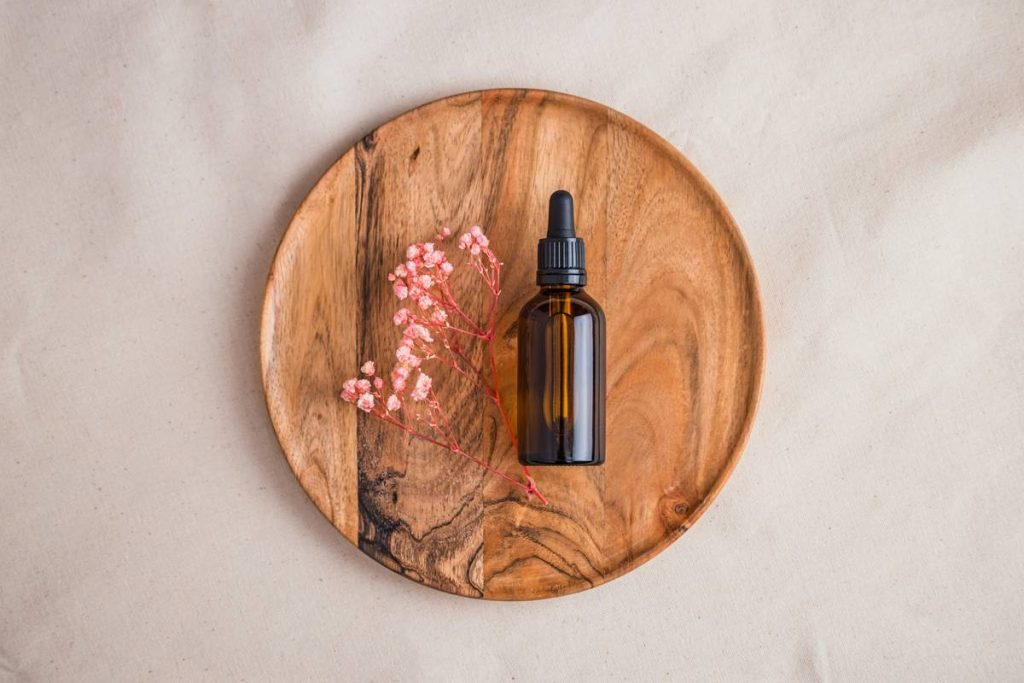
- Amber or cobalt glass dropper bottles (UV-protected)
- Pipettes or glass beakers for precise measuring
- Notebook to log your recipes
Step 1: Choose Your Carrier Oil Based on Skin Type
- Oily/Acne-Prone: Jojoba oil (mimics sebum, non-comedogenic)
- Dry/Mature: Rosehip seed oil (rich in linoleic acid + vitamin A)
- Sensitive/Eczema-Prone: Fractionated coconut oil (odorless, ultra-gentle)
Step 2: Calculate Your Dilution Ratio
For facial use: 0.5–1% = 3–6 drops essential oil per 1 oz (30ml) carrier.
For body use: 1–2% = 6–12 drops per 1 oz carrier.
Confessional fail: I once made a 5% “calming” blend for a client with anxiety—used too much ylang-ylang. Result? Headache + nausea. Lesson: more ≠ better. Essential oils are potent; respect the dose.
Step 3: Blend Like a Pro (Not a Mad Scientist)
- Pour carrier oil into your glass beaker.
- Add essential oils drop by drop using a clean pipette.
- Stir gently with a glass rod (no metal—it degrades oils).
- Transfer to amber bottle, cap tightly.
- Label with ingredients + date.
- Let it “marry” for 24–48 hours before use—this allows molecular synergy.
Pro Tips for Long-Lasting, Skin-Safe Blends
Don’t let your beautiful blend turn rancid or irritate your skin. These tips come straight from my formulating journal:
- Avoid phototoxic oils on sun-exposed skin: Bergamot, lemon, and grapefruit can cause blistering if used pre-sunlight. Use steam-distilled versions if needed.
- Rotate your carrier oils: Don’t use the same base for months—diversity prevents sensitization.
- Store in a cool, dark place: Heat and light degrade terpenes—the active compounds in essential oils.
- Never use “fragrance oil” instead of essential oil: Fragrance oils are synthetic and lack therapeutic properties.
- Test patch religiously: Apply a dime-sized amount to inner forearm. Wait 24 hours. Redness? Itching? Toss it.
Terrible tip disclaimer: “Just mix whatever smells nice!” Nope. Clashing chemotypes (like menthol + eugenol) can neutralize benefits or cause irritation. Know your oil profiles.
Real Results: My Clients’ Before-and-After Wins
Last spring, a client named Maya came to me with chronic hand dermatitis from hospital cleaning shifts. Over-the-counter creams failed. I formulated a 1% aromatherapy oil with:
- Carrier: 30ml calendula-infused sunflower oil (anti-inflammatory)
- Essential oils: 3 drops German chamomile (azulene-rich), 2 drops lavender (linalool), 1 drop frankincense (boswellic acid)
Within 2 weeks of twice-daily use, her redness dropped by 70%. By week 6, her hands were soft enough to wear rings again. She now makes batches for her entire nursing unit.
This isn’t magic—it’s biochemistry meeting intention. Essential oils like chamomile modulate cytokines (inflammatory messengers), while frankincense inhibits 5-lipoxygenase, a key enzyme in skin inflammation (Phytomedicine, 2020).
FAQs About Making Aromatherapy Oils
Can I use aromatherapy oils on my face?
Yes—but only at 0.5–1% dilution and with non-comedogenic carriers like jojoba. Avoid peppermint, cinnamon, or oregano on facial skin; they’re too harsh.
How long do homemade aromatherapy oils last?
6–12 months if stored properly. Add 1–2 drops of vitamin E oil as a natural preservative to extend shelf life.
Are essential oils safe during pregnancy?
Some are, some aren’t. Avoid clary sage, rosemary, and wintergreen. Safe options include lavender, mandarin, and frankincense—but always consult your OB-GYN first.
Can I ingest these oils?
Absolutely not. This guide is for topical aromatherapy skincare only. Ingestion requires clinical supervision.
Conclusion
Learning how to make aromatherapy oils puts powerful, personalized skincare in your hands—literally. It’s not about chasing viral trends or hoarding Instagrammable bottles. It’s about understanding plant chemistry, respecting your skin’s biology, and crafting blends that heal, not harm.
Start small. Master the 1% rule. Keep a blending journal. And remember: the best aromatherapy oil isn’t the fanciest—it’s the one that works for your skin, your stress levels, and your life.
Now go mix something beautiful. Your future calm, glowing self will thank you.
Like an old-school iPod Shuffle—sometimes the best playlists are the ones you make yourself.