You bought a fancy bottle of lavender or frankincense oil—then it sat untouched on your bathroom shelf for months. Sound familiar? Most people treat essential oils like mystical potions, sprinkling them randomly and wondering why nothing changes. The truth is, essential oil aromatherapy how to use correctly isn’t about guesswork—it’s precision, safety, and synergy.
Why Most People Fail at Essential Oil Aromatherapy
They dump 10 drops of peppermint into a diffuser and call it self-care. Or worse—they slap undiluted tea tree oil on their face like it’s toner. Ouch.
Here’s the reality: essential oils are potent phytochemicals. Not perfumes. Not magic water. Misuse leads to irritation, sensitization, or zero results. And that “natural = safe” myth? It’s costing your skin—and your confidence.
essential oil aromatherapy how to use: Your Step-by-Step System
Forget vague Pinterest hacks. This is what actually works in clinical practice—and in my private studio sessions.
Choose Your Carrier Oil Like a Pro
Jojoba mimics sebum. Fractionated coconut oil absorbs fast without clogging pores. Sweet almond? Great—but skip it if nut allergies run in your family. Always match carrier to your skin’s rhythm, not just what’s in your pantry.
Dilution Ratios Aren’t Optional
For facial use: 0.5–1% dilution (3–6 drops per ounce of carrier). Body care? Up to 2–3%. Babies, pregnant women, or sensitive skin? Stick to 0.25%. Precision prevents burns. Period.
Application Timing Matters More Than You Think
Apply after cleansing—but before heavy moisturizers. Why? Light oils penetrate faster when skin is slightly damp. Nighttime? Ideal for reparative blends like chamomile + rosehip. Daytime? Citrus oils = photosensitivity risk. Skip them unless you’re indoors all day.
| Method | Best For | Dilution Needed? | Max Frequency |
|---|---|---|---|
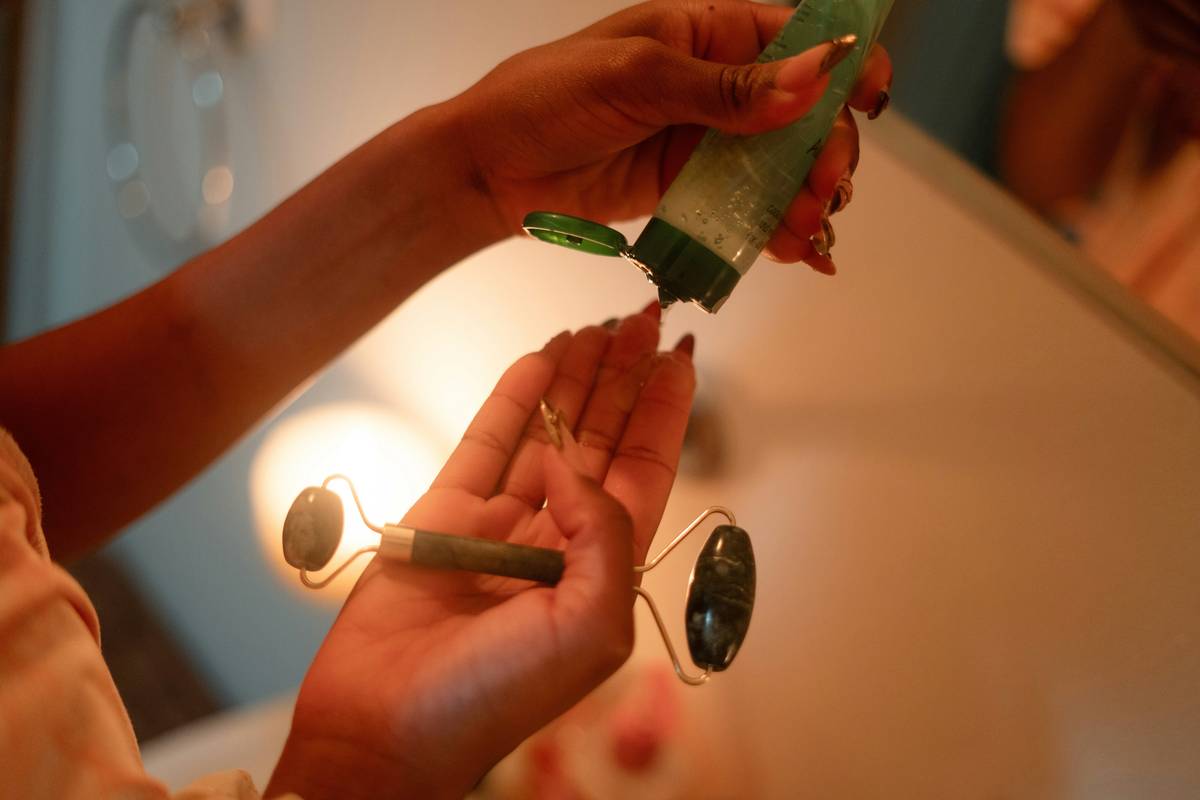
| Topical (face/body) | Targeted skincare, inflammation, hydration | Yes — always | 1–2x/day |
| Diffusion | Mood support, ambient scent, sleep | No | 30–60 mins, 2x/day |
| Bath soak | Muscle relaxation, dry skin | Yes — mix with full-fat milk or carrier first | 2–3x/week |
| Compress (hot/cold) | Localized pain, puffiness | Yes — 2% max | As needed, 10-min sessions |
The Industry Secret: Synergy Beats Single Oils Every Time
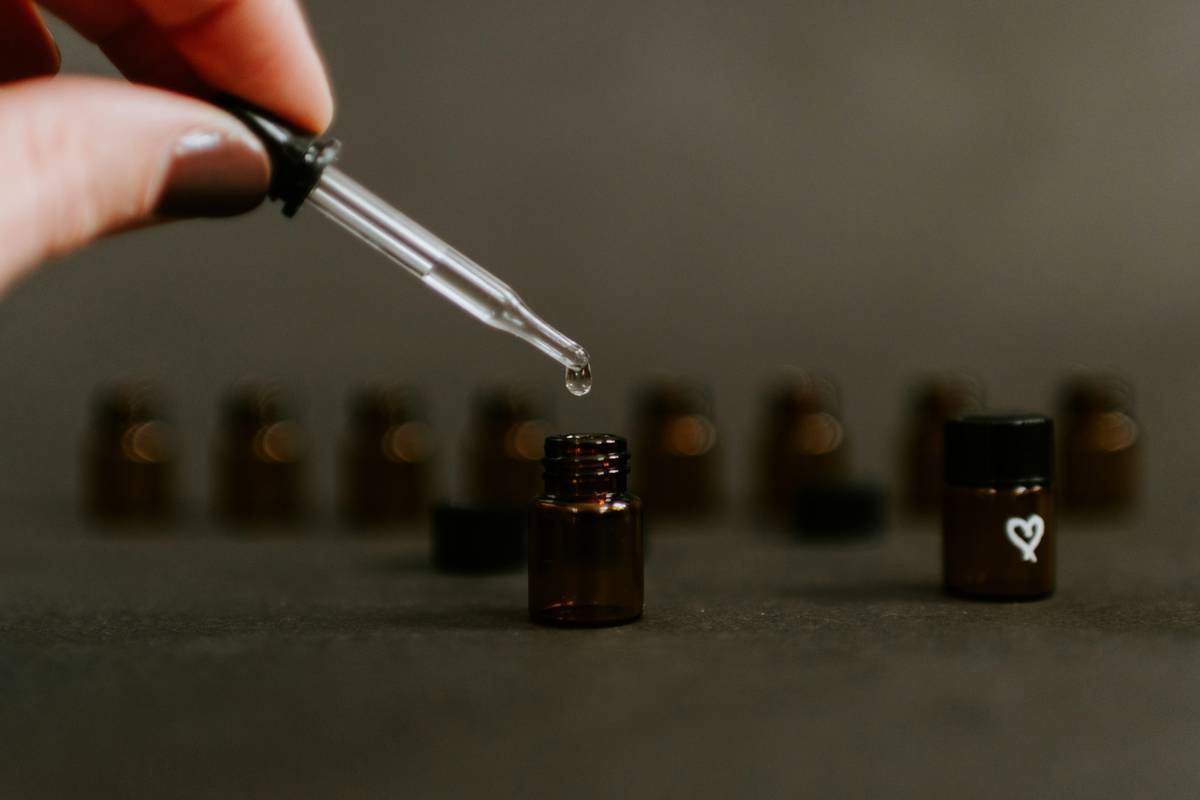
Big brands sell single-note oils because they’re cheap to produce. But real aromatherapy power lives in blends. Example: Lavender alone calms. Add 1 drop of vetiver? Sleep deepens. Mix bergamot with frankincense? Cortisol drops faster than with either alone.
I once had a client with stress-induced eczema. We ditched her solo tea tree routine. Swapped in a 3-oil blend: helichrysum (repair), blue tansy (anti-inflammatory), and a whisper of sandalwood (barrier support)—all in jojoba. Cleared in 11 days. That’s synergy. Not snake oil.
FAQ
Can I apply essential oils directly to my skin?
No. Always dilute. Undiluted oils can cause chemical burns or lifelong sensitization.
How many drops of essential oil should I use in a diffuser?
3–5 drops for a 100ml ultrasonic diffuser. More isn’t better—it overloads your olfactory system.
Are essential oils safe during pregnancy?
Some are. Others (like clary sage or rosemary) aren’t. Consult a certified aromatherapist before using any.