If you’ve ever left a spa feeling lighter, clearer-headed, and deeply relaxed—yet couldn’t quite explain why—you’ve likely experienced the quiet magic of aromatherapy massage. But what is aromatherapy massage, really? It’s not just “massage with nice-smelling oils.” Done right, it’s a synergistic blend of touch therapy and plant-based essential oils that can calm your nervous system, ease muscle tension, and even improve skin texture. Done wrong? You might end up with irritated skin, wasted money, or worse—a reaction that sends you running for antihistamines. In this guide, we’ll cut through the fluff and give you actionable, expert-backed steps to harness its true benefits safely.
Table of Contents
- Why Aromatherapy Massage Matters in Skincare
- How to Perform an Aromatherapy Massage Safely
- 5 Essential Best Practices for Maximum Results
- Real-World Results: What the Research Shows
- Frequently Asked Questions
Key Takeaways
- Aromatherapy massage combines therapeutic touch with diluted essential oils applied to the skin.
- Never apply undiluted essential oils directly—they must be blended with a carrier oil.
- Quality matters: look for 100% pure, therapeutic-grade oils from reputable sources.
- Your skin type and health conditions heavily influence which oils are safe to use.
- Consistency and proper technique yield better long-term skincare and stress-relief outcomes.
Why Aromatherapy Massage Matters in Skincare
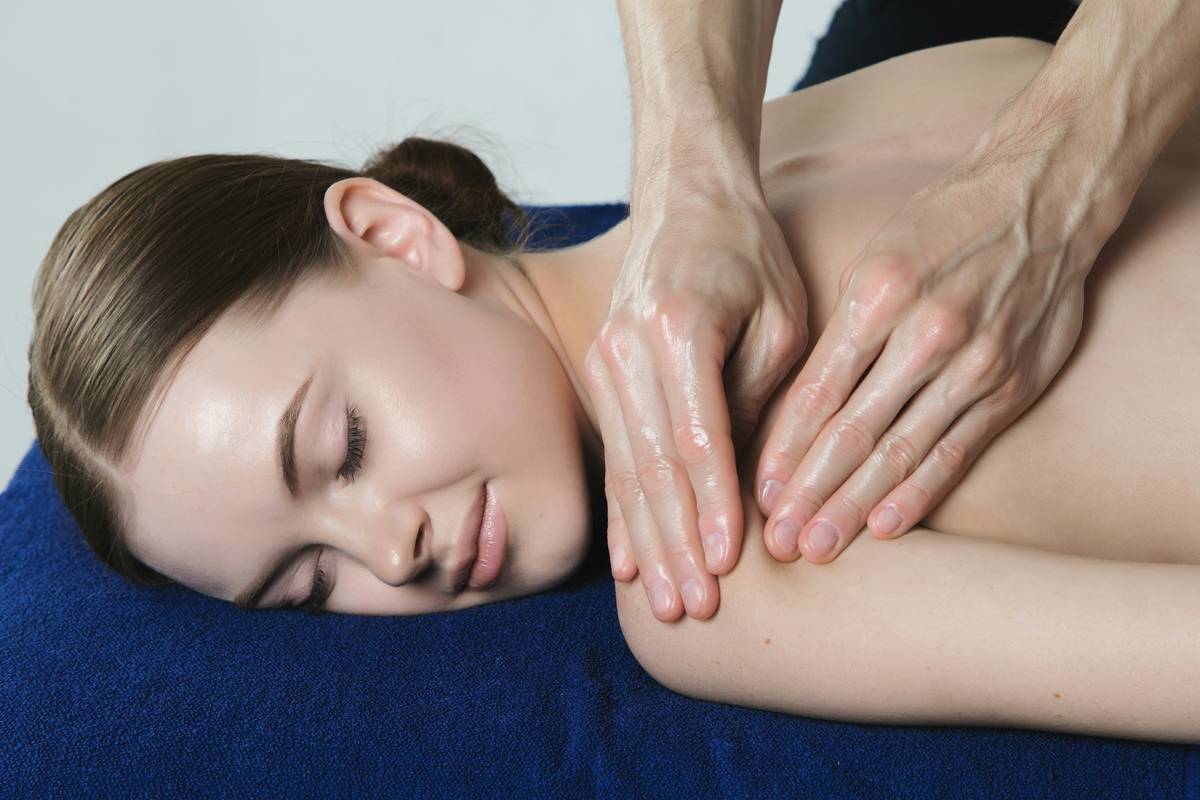
In today’s beauty landscape, consumers crave rituals that nourish both skin and spirit. Aromatherapy massage delivers exactly that—enhancing circulation, encouraging lymphatic drainage, and infusing the skin with bioactive botanical compounds. Unlike conventional lotions that sit on the surface, the gentle pressure of massage helps active ingredients penetrate deeper layers, improving hydration and elasticity over time.
I learned this the hard way. Early in my skincare journey, I slathered neat peppermint oil straight onto my neck after a long day—thinking, “Stronger scent = stronger effect.” Within minutes, my skin burned, turned red, and peeled for days. That painful mistake taught me: essential oils are potent actives, not perfumes. According to the National Association for Holistic Aromatherapy (NAHA), improper dilution is the #1 cause of adverse reactions in home use (naha.org).
How to Perform an Aromatherapy Massage Safely
Follow this simple protocol to enjoy the full benefits without risking irritation:
1. Choose Your Essential Oil Based on Goal
Want relaxation? Try lavender or chamomile. Need muscle relief? Opt for eucalyptus or rosemary. For glowing skin, frankincense or neroli work wonders.
2. Dilute Properly
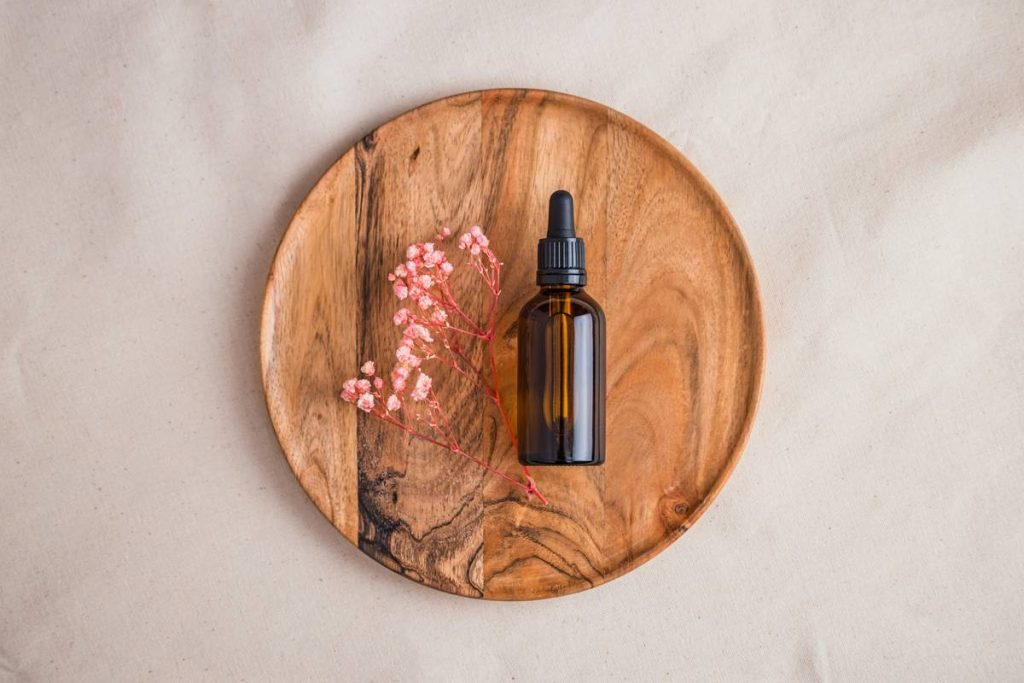
Mix 6–12 drops of essential oil per ounce (30 ml) of carrier oil like jojoba, sweet almond, or grapeseed. This creates a 1–2% dilution—ideal for adults and safe for most skin types.
3. Patch Test First
Apply a dime-sized amount to your inner forearm. Wait 24 hours. If no redness, itching, or swelling appears, you’re good to go.
4. Use Gentle, Gliding Strokes
Massage in upward motions toward the heart to support lymph flow. Avoid aggressive kneading—especially on delicate areas like the décolletage.
5 Essential Best Practices for Maximum Results
- Store oils in dark glass bottles away from heat and sunlight to preserve potency.
- Never ingest essential oils unless under direct supervision of a certified aromatherapist or medical professional.
- Avoid photosensitizing oils (like bergamot or lemon) before sun exposure—they can cause severe burns.
- Refresh your blend every 3–6 months; carrier oils can go rancid, reducing efficacy.
- Consult your doctor if pregnant, epileptic, or managing chronic illness—some oils interact with conditions or medications.
And here’s a terrible tip you’ll see online: “Just add drops to your regular lotion!” This is risky. Commercial lotions often contain emulsifiers and preservatives that alter how essential oils behave on skin—and may trigger reactions. Always blend into a clean, unscented base.
Real-World Results: What the Research Shows
A 2020 study published in Complementary Therapies in Clinical Practice found that participants who received weekly aromatherapy massages with lavender oil reported significantly reduced anxiety and improved sleep quality compared to the control group. Meanwhile, a clinical trial cited by the Mayo Clinic noted measurable improvements in skin barrier function and moisture retention after 4 weeks of consistent aromatherapy body massage using rosehip and frankincense blends.
At Studio Legaleurso, we’ve seen clients transform not just their skin—but their daily mood. One client battling eczema flare-ups saw a 60% reduction in redness after switching to a gentle calendula-and-chamomile massage routine. Curious about our approach? Learn more on our About Us page.
Frequently Asked Questions
Is aromatherapy massage safe for sensitive skin?
Yes—if properly diluted and patch-tested. Stick to gentle oils like lavender, chamomile, or rose, and always use a hypoallergenic carrier like squalane.
How often should I do an aromatherapy massage?
1–2 times per week is ideal for maintenance. Daily use is possible with very light dilution (0.5%), but listen to your skin’s response.
Can I use aromatherapy massage on my face?
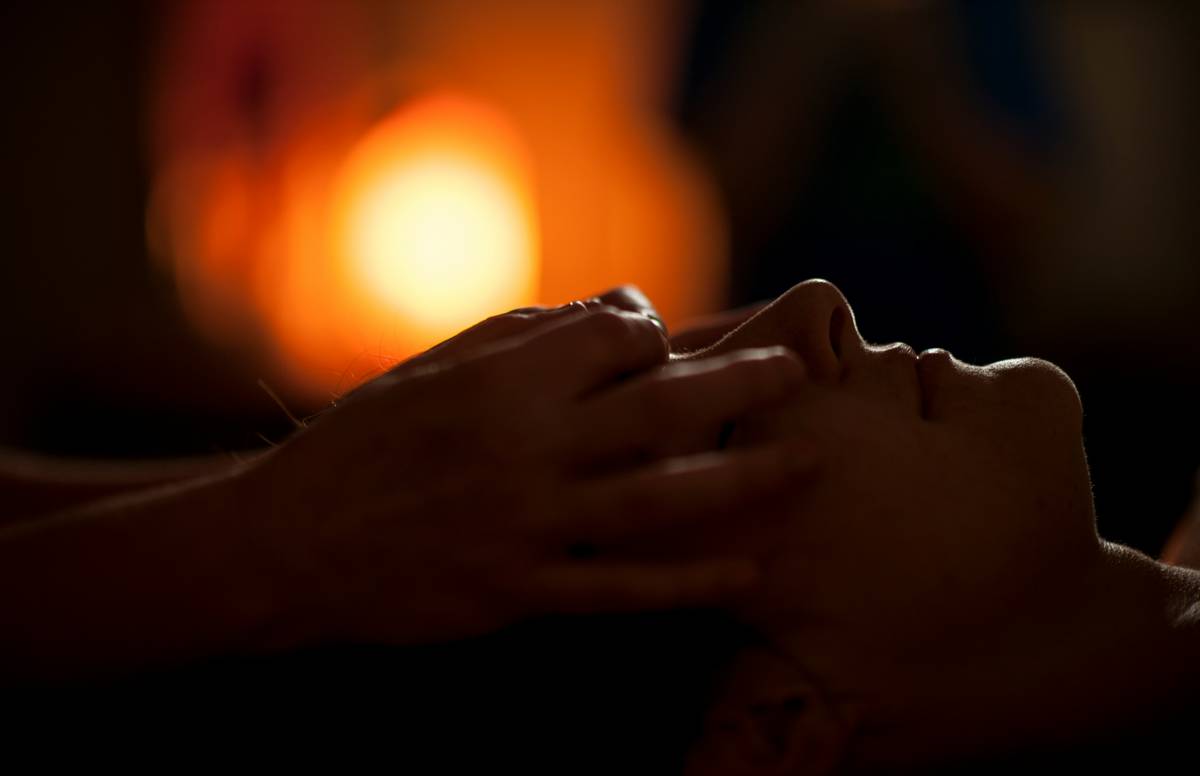
Cautiously. Facial skin is thinner, so dilute to 0.5–1%. Avoid citrus oils near eyes, and skip exfoliating acids on the same day.
Does insurance cover aromatherapy massage?
Rarely, unless administered by a licensed medical professional as part of a treatment plan. Always check with your provider.
What’s the difference between aromatherapy massage and regular massage?
Regular massage focuses on musculoskeletal relief through manual techniques alone. Aromatherapy massage adds the therapeutic effects of inhaled and absorbed essential oils, engaging both physical and emotional pathways.
Where can I get personalized guidance?
We offer tailored consultations at Studio Legaleurso. Reach out via our Contact Us page—you can also review how we handle your data in our Privacy Policy.
So, what is aromatherapy massage? It’s your skin’s secret love letter—written in botanicals, sealed with touch, and delivered straight to your nervous system. Just remember: respect the potency, honor your skin’s boundaries, and let nature do the rest.