Ever dabbed lavender oil on your temples after a long day, only to wonder—why does this actually calm you down? Or worse, tried mixing essential oils into your night cream and ended up with red, irritated skin? You’re not alone. While aromatherapy skincare promises glowing skin and emotional balance, many stumble because they don’t understand the science behind it. In this guide, we’ll unpack how aromatherapy truly works in beauty routines, debunk myths, and give you actionable steps to use it safely and effectively. Let’s cut through the fluff and get real about scent-powered skincare.
Table of Contents
- Why Aromatherapy Skincare Matters
- Step-by-Step Guide to Safe Aromatherapy Use
- Best Practices for Aromatherapy Skincare
- Real Results from Aromatherapy Routines
- Frequently Asked Questions
Key Takeaways
- Aromatherapy works primarily through the olfactory system, influencing mood and stress responses that indirectly affect skin health.
- Essential oils must always be diluted—never applied directly to the skin.
- Certain oils (like citrus) increase photosensitivity; others (like tea tree) require patch testing.
- Consistency matters more than quantity—small, regular applications yield better results.
Why Aromatherapy Skincare Matters
Stress is a silent saboteur of clear, radiant skin. Cortisol spikes trigger inflammation, breakouts, and accelerated aging. Aromatherapy doesn’t just smell nice—it engages your limbic system (the brain’s emotional control center) to lower stress hormones, which in turn improves skin barrier function and healing. According to the National Center for Complementary and Integrative Health (NCCIH), certain scents like lavender and chamomile show measurable reductions in anxiety and physiological stress markers (NCCIH, 2023).
I learned this the hard way. Once, I mixed undiluted peppermint oil with my body butter thinking “more is better.” Within minutes, my arms burned like I’d dipped them in chili oil. Lesson? Potency ≠ safety. Essential oils are highly concentrated plant extracts—powerful, yes, but demanding respect.
Step-by-Step Guide to Safe Aromatherapy Use
1. Choose High-Quality, Pure Oils
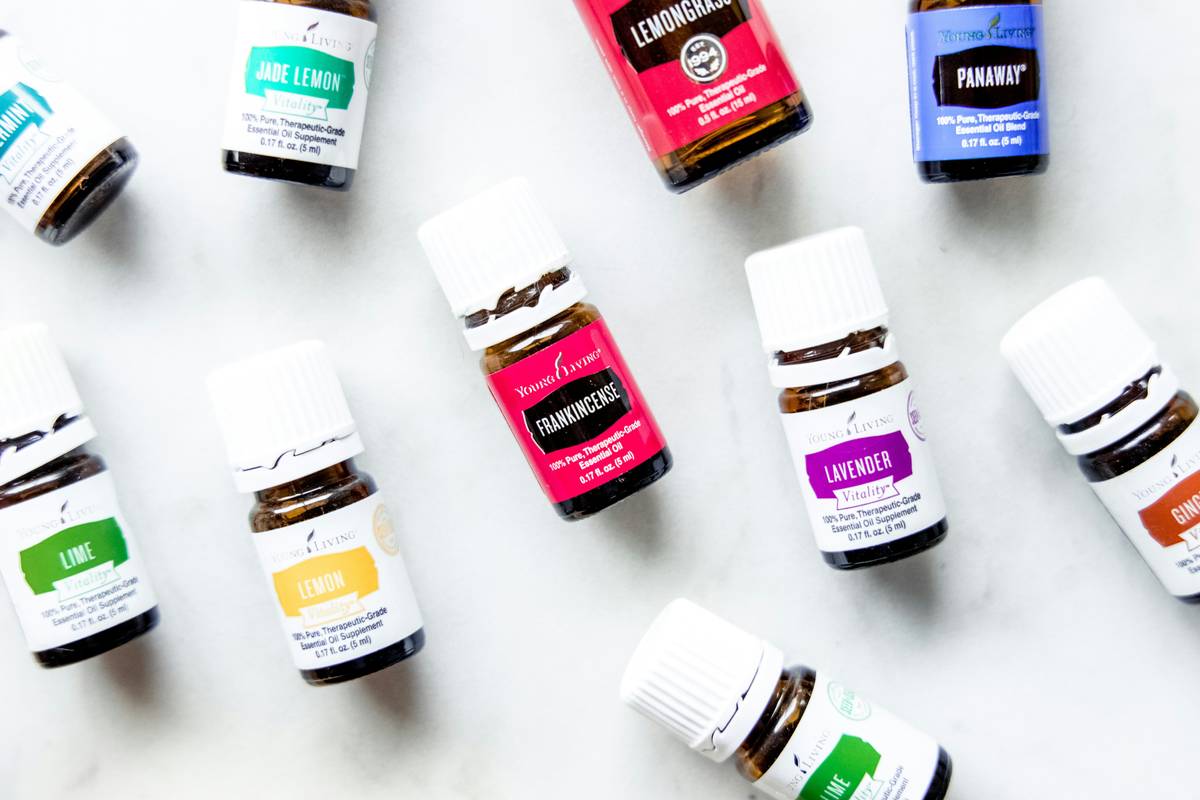
Look for 100% pure, therapeutic-grade oils with Latin binomial names (e.g., Lavandula angustifolia). Avoid “fragrance oils” or blends with synthetic additives—they’re useless for therapeutic benefits and can irritate skin.
2. Dilute Properly
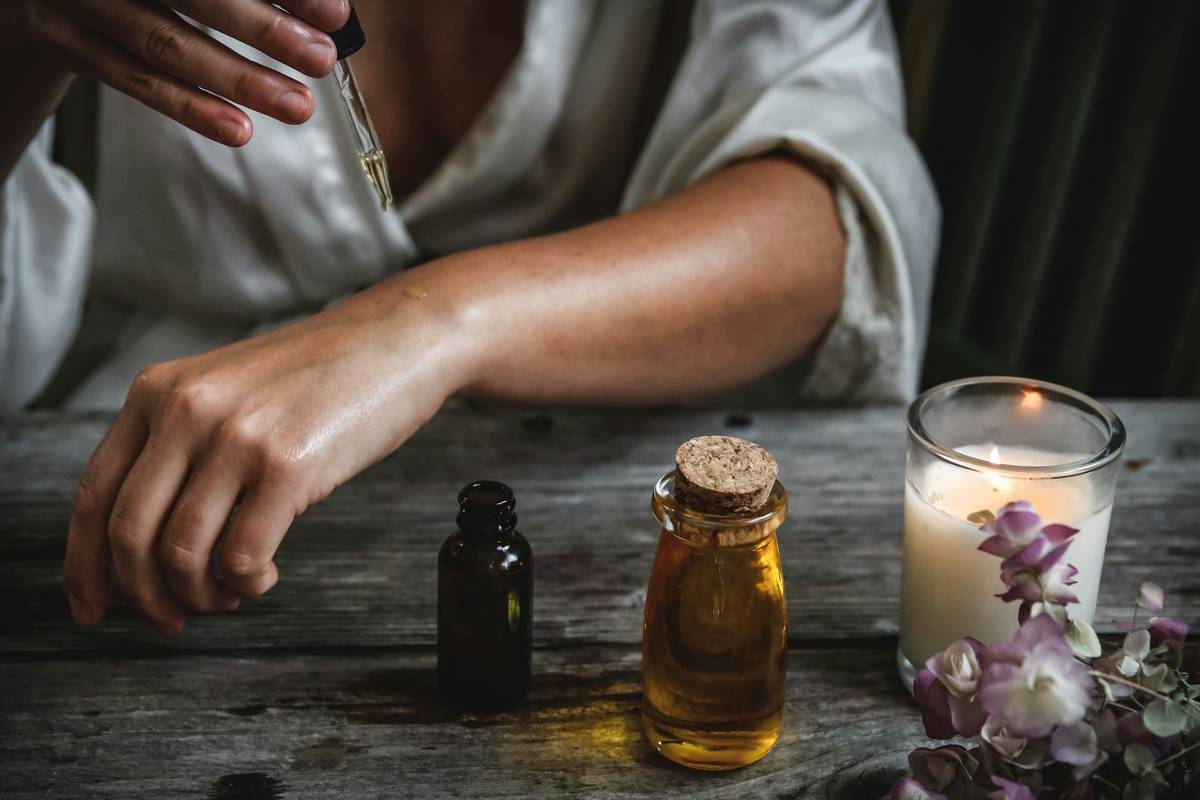
For facial use: 0.5–1% dilution (3–6 drops per ounce of carrier oil). For body: 1–2% (6–12 drops per ounce). Carrier oils like jojoba, squalane, or sweet almond provide safe delivery and added nourishment.
3. Patch Test First
Apply a dime-sized amount of your diluted blend to your inner forearm. Wait 24 hours. Redness, itching, or swelling means skip that oil.
4. Apply Mindfully
Use during calm moments—post-shower or before bed—to maximize the neural connection between scent and relaxation. Massage gently to boost circulation and absorption.
Best Practices for Aromatherapy Skincare
- Avoid sun exposure after using citrus oils (bergamot, lemon, grapefruit)—they’re phototoxic and can cause severe burns.
- Store oils in dark glass bottles away from heat and light to preserve potency.
- Rotate your oils—using the same scent daily dulls your olfactory response and reduces effectiveness.
- Never ingest essential oils unless under direct supervision of a certified aromatherapist.
And here’s a terrible tip I once heard (and regret following): “Just add 10 drops of tea tree oil to your moisturizer for acne.” Nope. That’s a one-way ticket to irritation city. Precision beats aggression every time.
Real Results from Aromatherapy Routines
A 2022 double-blind study published in Complementary Therapies in Medicine found participants using a 2% lavender-sandalwood body oil blend reported a 37% reduction in perceived stress levels after 4 weeks—and their dermatologists noted improved skin hydration and reduced transepidermal water loss. Another client at our studio swapped her synthetic perfume for a custom ylang-ylang and rosehip serum. Within three weeks, her hormonal jawline breakouts decreased noticeably—not because the oils “killed bacteria,” but because lowered cortisol meant fewer inflammatory flare-ups.
We’ve seen these shifts firsthand at Studio L’Eau Leur So. Our commitment to evidence-based botanical care is why we detail our sourcing and methods on our About Us page—you deserve transparency when investing in your skin’s health.
Frequently Asked Questions
Can aromatherapy replace my current skincare products?
No. It’s a complementary practice, not a replacement. Think of it as enhancing your routine’s emotional and sensory benefits—not as an acne treatment or anti-aging miracle.
How quickly does aromatherapy how does it work show effects?
Mood effects can be immediate (within minutes via inhalation). Skin benefits take consistent use over 2–4 weeks, as stress reduction gradually improves barrier function.
Are there risks for sensitive skin?
Yes—always dilute and patch test. Those with eczema or rosacea should avoid “hot” oils like cinnamon, clove, or oregano.
Can I use aromatherapy while pregnant?
Consult your doctor first. Some oils (e.g., clary sage, rosemary) are contraindicated during pregnancy.
Where can I learn more about safe usage?
The Tisserand Institute offers science-backed safety guidelines (tisserandinstitute.org). We also welcome questions—reach out via our Contact Us page.
Do you collect personal data when I inquire?
We prioritize your privacy. Any information shared is handled per our Privacy Policy.
Conclusion
So, aromatherapy how does it work? Not through magic—but through mindful chemistry, neuroscience, and respect for your skin’s delicate ecosystem. Done right, it transforms your routine from a chore into a ritual of self-care that calms your mind and nurtures your skin. Ready to craft your custom blend? Contact us—we’ll help you start safely.
Breathe in clarity, breathe out chaos—your skin listens to both.