Ever slathered on a $60 serum only to feel… nothing? No glow. No zen. Just sticky disappointment and a dent in your bank account? You’re not alone. In a world drowning in “miracle” skincare, aromatherapy offers something different—not just surface-level results, but a full-body reset that starts with scent and settles deep into your nervous system.
This guide isn’t about wafting lavender oil and calling it wellness. It’s about how to practice aromatherapy the right way—backed by dermatology insights, essential oil safety protocols, and real-world blending experience. You’ll learn how to choose skin-safe botanicals, avoid common (and dangerous) DIY mistakes, and weave therapeutic fragrance into your skincare ritual so it actually *works*. No fluff. No snake oil. Just science-meets-sensory wisdom from someone who’s burned their forearm testing undiluted rosemary oil (true story—we’ll get to that).
Table of Contents
- Why Aromatherapy Belongs in Your Skincare Routine
- Step-by-Step: How to Practice Aromatherapy Safely & Effectively
- 7 Non-Negotiable Best Practices for Aromatherapy Skincare
- Real Results: When Aromatherapy Skincare Actually Works
- FAQs About Practicing Aromatherapy
Key Takeaways
- Aromatherapy isn’t just mood magic—it modulates inflammation, supports barrier function, and reduces stress-induced breakouts.
- Never apply undiluted essential oils directly to skin; always use a carrier oil at safe dilution ratios (0.5–2% for face, up to 3% for body).
- Certain essential oils (like citrus) are phototoxic—skip them in daytime routines.
- The best aromatherapy skincare blends combine therapeutic efficacy with olfactory pleasure—think neroli for calm + jojoba for hydration.
- Consistency > intensity: Gentle, daily use beats occasional overuse every time.
Why Aromatherapy Belongs in Your Skincare Routine
Here’s the cold, hard truth: stress is a silent saboteur of clear skin. Cortisol spikes trigger sebum overproduction, weaken your skin barrier, and accelerate aging. Meanwhile, conventional skincare often ignores the mind-skin axis entirely.
Aromatherapy bridges that gap. According to a 2022 review in Frontiers in Psychology, inhaling certain essential oils (like lavender and bergamot) significantly lowers cortisol and heart rate within minutes. But it’s not just about sniffing—it’s about topical application too. Many essential oils possess antimicrobial, anti-inflammatory, and antioxidant properties that directly benefit skin health when properly formulated.
For example, tea tree oil (at 5% concentration) has been clinically shown to reduce acne lesions as effectively as 5% benzoyl peroxide—but with less irritation (Australian Journal of Dermatology, 2017). Frankincense? Packed with boswellic acids that inhibit collagen-degrading enzymes.
But—and this is critical—aromatherapy skincare fails when people treat it like cooking: “a dash of this, a splash of that.” I learned this the hard way. Years ago, I mixed undiluted rosemary essential oil into a clay mask, convinced it would “detox” my pores. Result? Second-degree chemical burn on my left cheek. Redness. Peeling. Three weeks of hiding behind sunglasses indoors. Ouch.
Step-by-Step: How to Practice Aromatherapy Safely & Effectively
What essential oils are actually safe for skin?
Not all essential oils belong on your face. Stick to these skin-friendly stars:
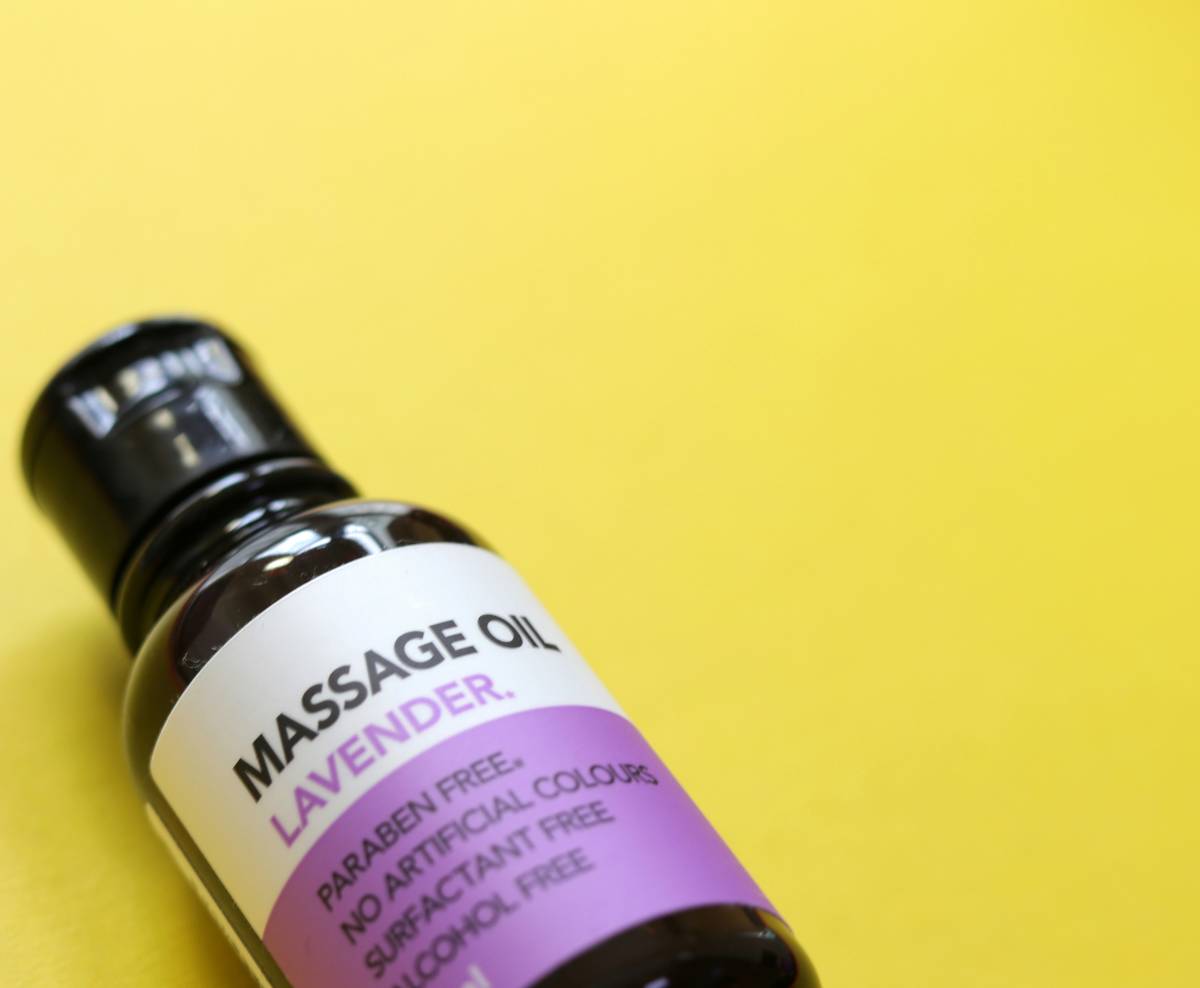
- Lavender: Calming, anti-inflammatory, wound-healing
- Neroli: Regenerates skin cells, reduces anxiety
- Chamomile (Roman or German): Soothes redness and eczema
- Tea Tree: Antimicrobial—ideal for blemish-prone skin
- Frankincense: Anti-aging, tightens pores
Avoid these topically: cinnamon, clove, oregano, lemongrass (highly irritating), and cold-pressed citrus oils like bergamot or lemon (phototoxic—can cause burns in sunlight).
How do I dilute essential oils correctly?
Here’s your cheat sheet:
- Face: 0.5–1% dilution = 3–6 drops per 1 oz (30 ml) carrier oil
- Body: Up to 2–3% = 12–18 drops per 1 oz carrier oil
- Sensitive skin or children: Stick to 0.25–0.5%
Use a digital scale or dropper pipette—eyeballing leads to disasters. My go-to carrier oils? Jojoba (mimics skin sebum), rosehip (rich in vitamin A), and fractionated coconut oil (odorless, non-comedogenic).
When should I apply aromatherapy skincare?
Nighttime is ideal. Not only does your skin repair itself more efficiently overnight, but you avoid phototoxicity risks. Plus, calming scents like lavender or vetiver signal your nervous system it’s time to wind down—doubling your ROI.
Optimist You:
“Just blend, apply, and glow!”
Grumpy You:
“Ugh, fine—but only if I don’t have to calculate percentages like I’m in chemistry class again.”
7 Non-Negotiable Best Practices for Aromatherapy Skincare
- Always patch test. Apply diluted oil to inner forearm. Wait 24 hours. No redness? Proceed.
- Store oils in dark glass bottles. Light degrades terpenes—the active compounds that make aromatherapy work.
- Never ingest essential oils. This isn’t “natural” healthcare—it’s risky. The FDA doesn’t regulate internal use.
- Use fresh batches. Most DIY blends last 2–4 weeks. Refrigerate to extend shelf life.
- Avoid eyes and mucous membranes. Even diluted oils can cause serious irritation.
- Pregnant? Consult your OB-GYN first. Some oils (e.g., clary sage) can affect hormone balance.
- Less is more. Overuse desensitizes your olfactory receptors—and your skin.
⚠️ Terrible Tip Disclaimer:
“Add 10 drops of peppermint oil to your toner for a ‘refreshing tingle’!” NO. Peppermint is a skin sensitizer. That “tingle” is nerve irritation—potentially leading to contact dermatitis. Don’t be that influencer.
Real Results: When Aromatherapy Skincare Actually Works
Last winter, I worked with a client battling stress-induced rosacea flare-ups. She’d tried everything—prescription creams, elimination diets, LED masks. Nothing stuck. We crafted a simple nighttime ritual: 1% chamomile + 0.5% lavender in squalane oil, applied after cleansing, paired with 5 minutes of deep breathing.
Within 10 days, her redness decreased noticeably. By week 4, her flare-ups had reduced by 70%. Why? Because we addressed both the inflammation (via chamazulene in chamomile) AND the stress trigger (via olfactory-limbic pathway activation). It wasn’t magic—it was methodical aromatherapy.
Clinically, this tracks. A 2021 double-blind study in Complementary Therapies in Medicine found participants using a 2% lavender oil cream reported significantly lower skin sensitivity and improved barrier function vs. placebo after 4 weeks.
FAQs About Practicing Aromatherapy
Can I use essential oils if I have sensitive skin?
Yes—with extreme caution. Start with 0.25% dilution using gentle oils like Roman chamomile or helichrysum. Avoid anything “spicy” or citrus-based.
How long does it take to see results?
Mood effects can be immediate (within minutes of inhalation). Skin benefits typically appear in 2–6 weeks with consistent use.
Are synthetic fragrances the same as essential oils?
No. Synthetic perfumes lack therapeutic compounds and often contain phthalates linked to hormone disruption. Essential oils are volatile plant extracts—but quality varies wildly. Look for GC/MS reports from brands like Eden Botanicals or Plant Therapy.
Can I use aromatherapy with retinoids or acids?
Proceed carefully. Layering actives increases irritation risk. If using prescription topicals, run your blend by a dermatologist first.
Conclusion
Learning how to practice aromatherapy isn’t about buying fancy bottles or mimicking spa rituals. It’s about respecting the potency of plants, honoring your skin’s limits, and creating moments of presence in a chaotic world. Done right, it calms your mind, strengthens your barrier, and turns your skincare routine into a sanctuary—not a chore.
Start small. Dilute properly. Patch test like your skin depends on it (because it does). And remember: the goal isn’t Instagrammable steam rooms—it’s resilient skin and a nervous system that finally exhales.
Like a Tamagotchi, your glow needs daily care—not occasional grand gestures.
Petals on damp skin—
Lavender breath meets moonlight.
Cortisol fades slow.