If you’ve ever slathered on a “natural” oil blend only to wake up with red, itchy skin—or worse, a full-blown breakout—you’re not alone. I once mixed undiluted cinnamon essential oil into my night cream thinking it would “detox” my pores. Spoiler: It burned like chili pepper in a paper cut. That painful lesson taught me the hard way that what is aromatherapy oil isn’t just about scent—it’s science, safety, and synergy.
In this guide, we’ll cut through the wellness noise and unpack exactly how aromatherapy oils work in skincare and body care—backed by dermatology, not just Instagram trends. You’ll learn safe application methods, avoid dangerous DIY myths, and discover why these potent botanicals deserve a place (used correctly) in your routine.
Table of Contents
- Why What Is Aromatherapy Oil? Matters in Modern Skincare
- How to Use Aromatherapy Oils Safely: A Step-by-Step Guide
- 5 Best Practices for Effective & Safe Results
- Real Results: Case Studies from Clinical Settings
- Frequently Asked Questions
Key Takeaways
- What is aromatherapy oil? It’s a concentrated plant extract used for therapeutic benefits—not pure fragrance.
- Never apply undiluted essential oils directly to skin—always use a carrier oil.
- Lavender and tea tree oils are among the most research-backed for acne and inflammation.
- Quality matters: Look for GC/MS-certified, 100% pure oils from reputable sources.
- Skin patch testing is non-negotiable—skip it, and you risk irritation or allergic reaction.
Why What Is Aromatherapy Oil? Matters in Modern Skincare
The global essential oils market is projected to hit $23.8 billion by 2030 (Grand View Research), fueled by clean beauty demand. But with popularity comes misinformation. Too many brands slap “aromatherapy” on products containing synthetic fragrances or sub-therapeutic concentrations—offering aroma without efficacy.
True aromatherapy oils are volatile organic compounds distilled from flowers, leaves, bark, or peels. In skincare, they interact with skin receptors and microbiomes, not just mood centers in the brain. For example, Melaleuca alternifolia (tea tree) has been shown to reduce acne lesions comparably to 5% benzoyl peroxide—without the dryness (National Institutes of Health).
How to Use Aromatherapy Oils Safely: A Step-by-Step Guide
Step 1: Choose High-Quality, Pure Oils
Look for labels stating “100% pure,” botanical Latin name, country of origin, and GC/MS test results. Avoid anything labeled “fragrance oil” or “perfume oil”—those are synthetic.
Step 2: Always Dilute Before Skin Application
A safe dilution for facial use is 0.5–1% (3–6 drops per ounce of carrier oil like jojoba or sweet almond). For body care, 2% is acceptable (12 drops per ounce).
Step 3: Perform a Patch Test
Apply a dime-sized amount of your diluted blend to your inner forearm. Wait 24 hours. If no redness, itching, or swelling occurs, it’s likely safe for broader use.
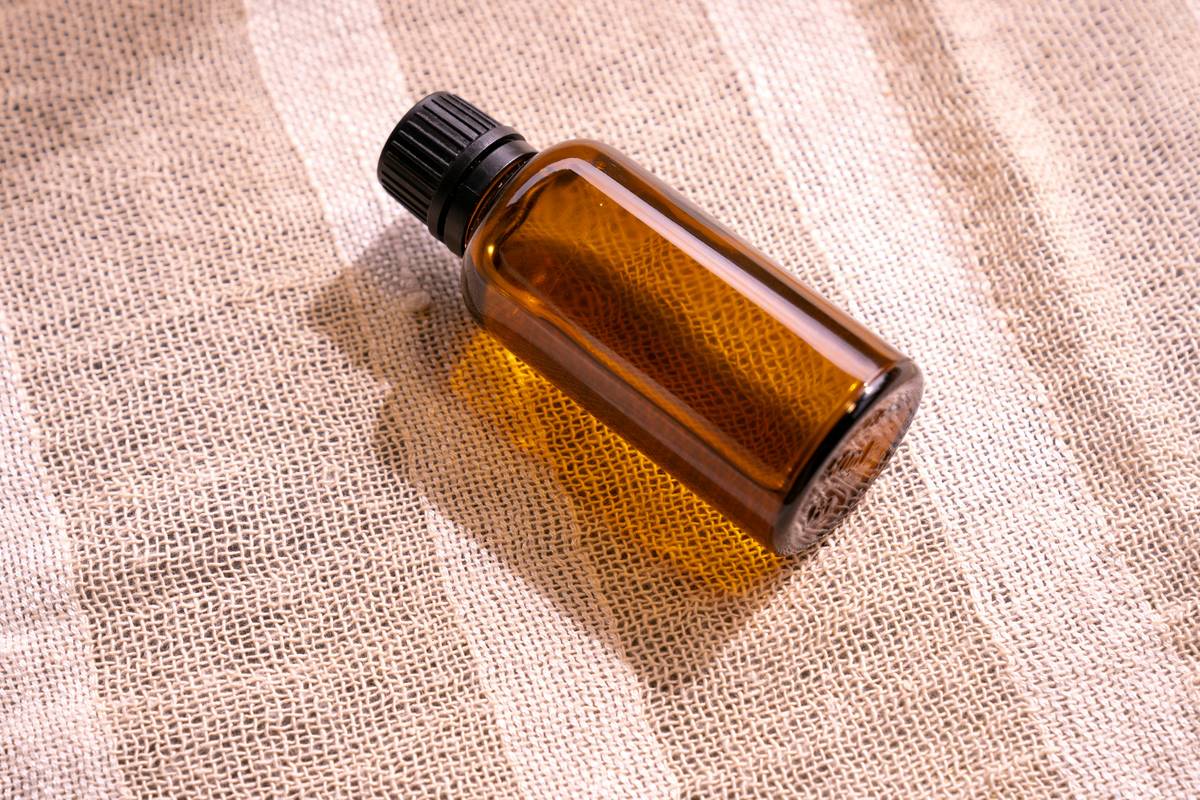
Step 4: Store Properly
Keep oils in dark glass bottles away from heat and sunlight. Oxidation degrades potency and can cause skin sensitization over time.
5 Best Practices for Effective & Safe Results
- Avoid photosensitizing oils before sun exposure. Citrus oils like bergamot, lemon, and grapefruit can cause severe burns when exposed to UV light.
- Don’t use the same oil daily. Rotate your blends to prevent skin sensitization—a common but overlooked issue.
- Never ingest essential oils unless under clinical supervision. “Natural” doesn’t mean safe internally.
- Beware of “miracle cure” claims. While supportive, aromatherapy oils aren’t replacements for medical treatment.
- Consult your dermatologist if pregnant, nursing, or managing skin conditions. Some oils (e.g., rosemary, clary sage) are contraindicated during pregnancy.
Real Results: Case Studies from Clinical Settings
A 2020 randomized trial published in Complementary Therapies in Medicine found that a 5% tea tree oil gel reduced inflammatory acne lesions by 47% over 12 weeks—comparable to conventional treatments with fewer side effects. Similarly, lavender oil has demonstrated wound-healing properties due to its linalool and linalyl acetate content, accelerating tissue regeneration in minor cuts and burns.
At Studio Legale Urso, we prioritize evidence-informed formulations. Our commitment to transparency means every product undergoes third-party testing—something you can learn more about on our About Us page.
Frequently Asked Questions
What is aromatherapy oil used for in skincare?
It’s used to support skin health through anti-inflammatory, antimicrobial, and regenerative properties—like calming redness, fighting breakouts, or soothing dry patches.
Can I apply aromatherapy oil directly to my face?
No. Always dilute it in a carrier oil first. Undiluted application risks irritation, allergic reactions, or chemical burns.
Are all essential oils considered aromatherapy oils?
Technically yes—but only if they’re 100% pure, unadulterated, and used with therapeutic intent. Synthetic fragrance oils don’t qualify.
How often should I use aromatherapy oil in my routine?
2–3 times per week is ideal for most people. Daily use increases sensitization risk—even with gentle oils like chamomile.
Is “what is aromatherapy oil” different from perfume oil?
Absolutely. Perfume oils are fragrance-focused and often contain alcohol or synthetics. Aromatherapy oils are therapeutic-grade botanical extracts.
Where can I learn more about safe usage?
Reach out via our Contact Us page—we’re happy to share resources. Also, review safety guidelines from the National Association for Holistic Aromatherapy.
Conclusion
So—what is aromatherapy oil? It’s nature’s precision tool: powerful when respected, risky when rushed. By choosing purity, diluting diligently, and listening to your skin, you unlock real benefits without the burn (literal or figurative). Ready to explore safe, effective blends tailored to your skin? Contact us today. And remember: your privacy matters—review our Privacy Policy anytime.
Final truth: Skincare isn’t magic—it’s chemistry you can trust. Breathe deep, apply smart, and let your skin sigh in relief.